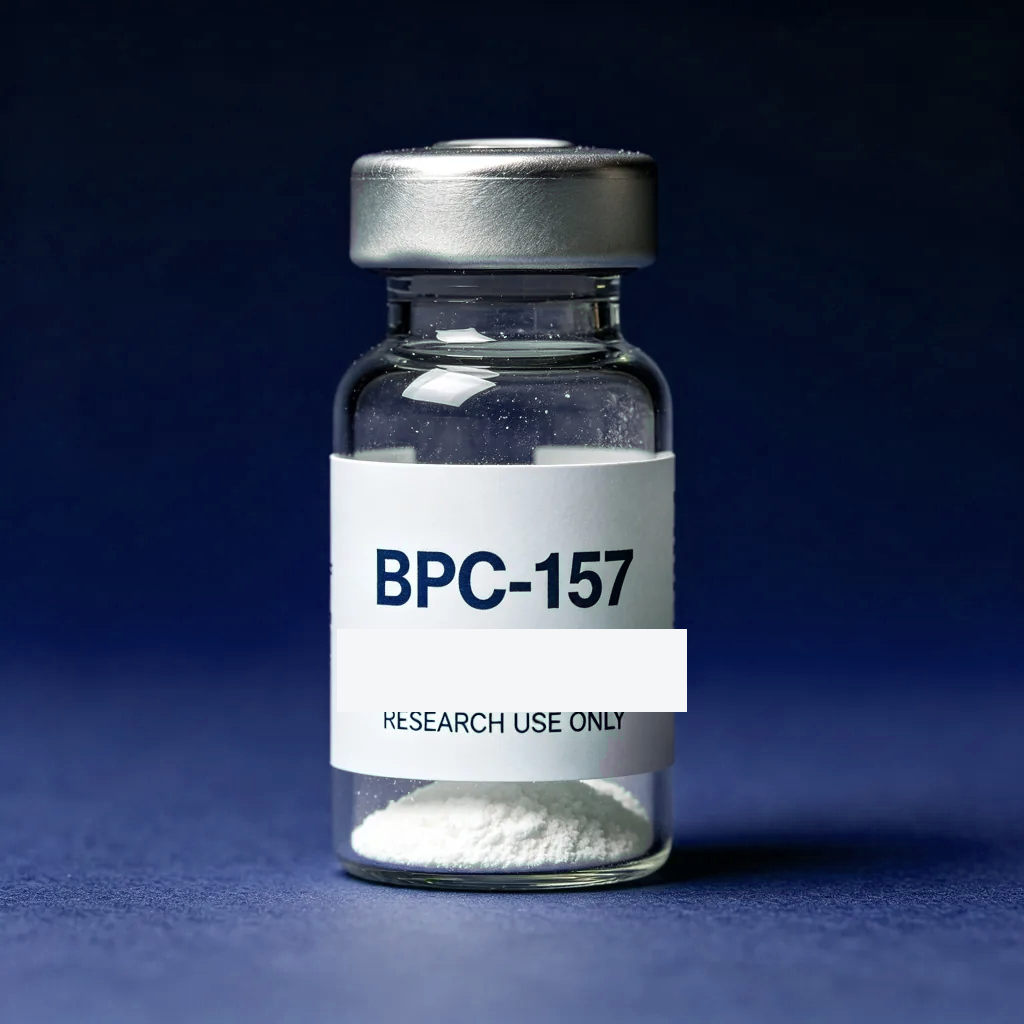
BPC-157 (Acetate)
$18.70 – $63.75
Reference comparison for laboratory researchers. All material on this page is for in-vitro and investigational research only.
| BPC-157 | TB-500 | |
|---|---|---|
| Compound class | Synthetic pentadecapeptide | Synthetic thymosin beta-4 related peptide |
| Research focus | Regenerative tissue research | Wound healing / angiogenesis research |
| Relation to full-length protein | Distinct synthetic sequence | Related to, but not identical to, full-length thymosin beta-4 |
| Evidence base | Largely preclinical | Largely preclinical |
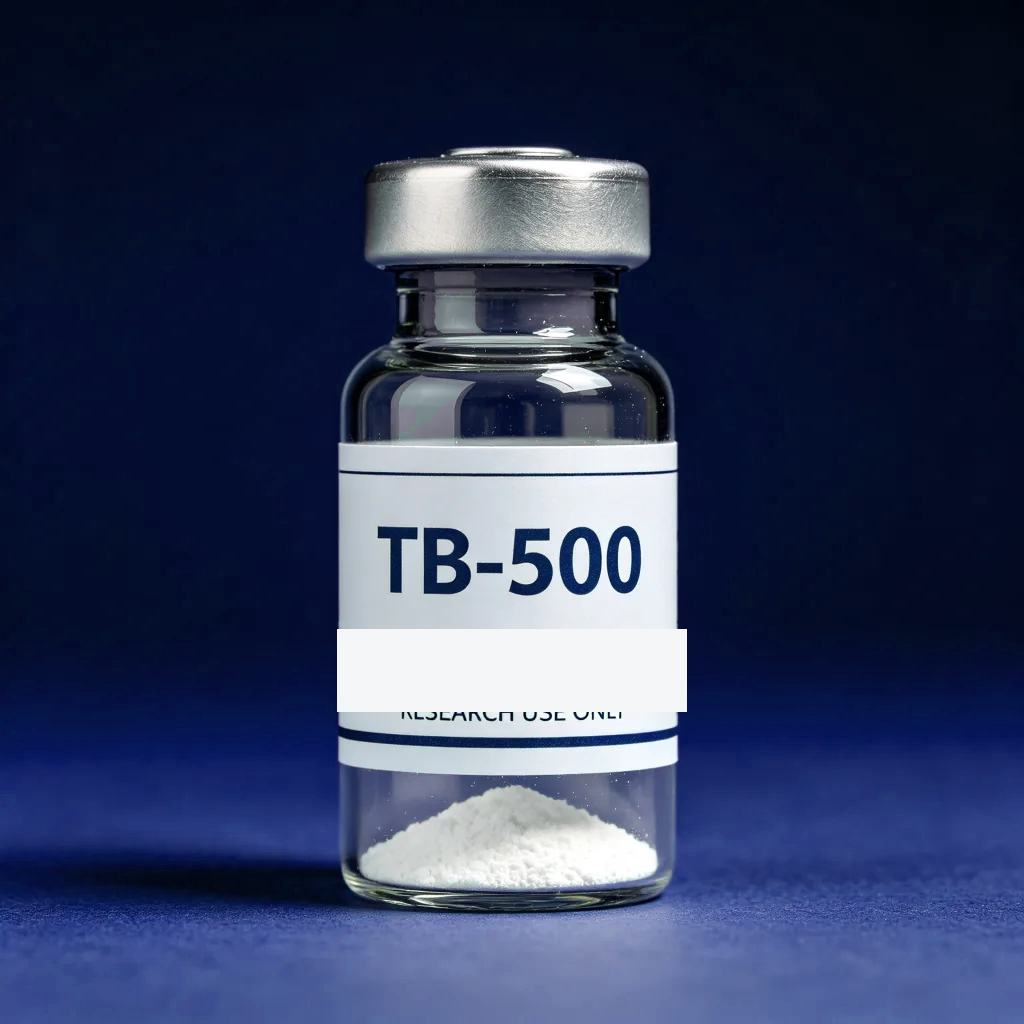
Preclinical research: both compounds appear in in-vitro and animal wound/repair studies.
Limitations: TB-500 is not the same molecule as full-length thymosin beta-4; extrapolating full-protein biology to the fragment is not justified. No established human clinical use is claimed here.
Browse the Healing & Repair category, or view batch documentation for BPC-157 (Acetate) and TB-500 (Thymosin B4 Acetate). All AminoForge material is supplied as a lyophilized research vial with an independently HPLC-verified batch record, for laboratory research use only.
You are entering a supplier area for laboratory professionals. You must confirm you are 21 or older and qualified to handle the material listed here.